
Choosing Bathroom Tiles and Waterproofing Properly
Tiling looks like the finishing touch, but the waterproofing underneath it is what actually protects the room and the ceiling below from long-term water damage..
Tiling looks like the finishing touch, but the waterproofing underneath it is what actually protects the room and the ceiling below from long-term water damage.
Why waterproofing goes before tiling
A tanking membrane or waterproof board applied to walls and floors before tiling stops water reaching the structure behind, regardless of how well the grout holds up later.
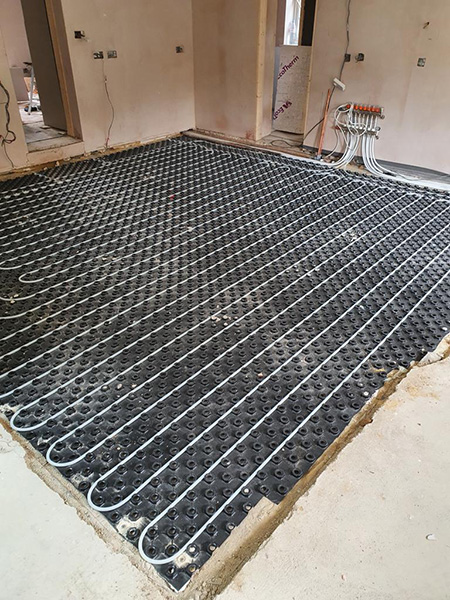
Where waterproofing matters most
Shower enclosures and areas directly behind baths need the most robust waterproofing, since they see sustained water contact rather than occasional splashes.
Tile choice beyond appearance
Floor tiles need appropriate slip resistance, and tile size affects how well a floor copes with any falls towards a drain.
What good waterproofing includes
- Tanking membrane or waterproof board in wet areas
- Sealed joints at wall and floor junctions
- Correct falls to any floor drain
- Appropriate tile choice for wet versus dry zones
Who does the work
- Gas Safe registered engineers — registration 554328
- Worcester Bosch accredited installer
- John The Plumb Ltd, company registration 10026483
Planning a tiling job
Tell us about the room and we'll advise on waterproofing before any tiles go up.
Questions we get asked
Is waterproofing really necessary if I'm just retiling?
If the substrate underneath is being disturbed at all, it's worth addressing waterproofing rather than tiling straight over an unknown base.
What happens if waterproofing is skipped?
Water can migrate behind tiles into the wall or floor structure, leading to damage that isn't visible until it's significant.
Can I tile over existing tiles?
Sometimes, but it depends on the condition and flatness of what's underneath, and waterproofing gaps can't be checked without removing them.