
Heating & Plumbing for Warehouses and Workshops
Warehouses and workshops are large-volume spaces with high ceilings, frequent door opening for vehicle access, and often only a small welfare area needing domestic-style hot water.
Warehouses and workshops are large-volume spaces with high ceilings, frequent door opening for vehicle access, and often only a small welfare area needing domestic-style hot water. Heating the working floor efficiently is a different challenge to heating an office of the same footprint.
Heating high-volume, draughty spaces
Large roller doors and high ceilings lose heat quickly and unevenly, which changes how heating is best delivered compared with a sealed, insulated office space.
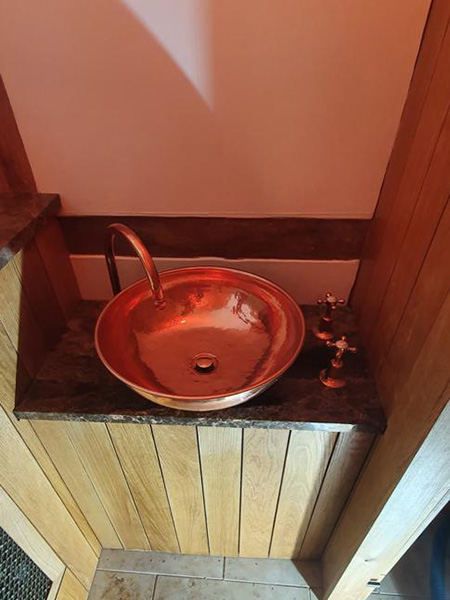
Welfare areas with normal domestic-style demand
A small kitchen or washroom for staff behaves like a household bathroom for hot water purposes, separate from the heating challenge of the main working area.
What we need from you to quote
The floor area and ceiling height of the main space, how often loading doors are opened, and the size of any welfare or office area within the building.
What we look at in an industrial space
- Heat loss through loading doors and high ceilings
- Whether localised heating suits the working areas better than whole-building heating
- Welfare area hot water sizing separate from the main space
- Existing heating equipment age and fuel type
Who does the work
- Gas Safe registered engineers — registration 554328
- Worcester Bosch accredited installer
- John The Plumb Ltd, company registration 10026483
Get a warehouse or workshop heating assessment
Tell us your floor area, ceiling height and door usage and we will assess what heating approach suits the space.
Questions we get asked
Does the whole warehouse need heating to the same temperature?
Not necessarily; localised heating around work areas is often more practical than heating the entire volume evenly.
Can you fit heating suited to frequent door opening?
We would assess the building and suggest equipment suited to the draught and heat loss pattern rather than a standard domestic-style installation.
Do welfare facilities need a separate hot water system?
Often yes, since welfare demand is small and steady compared with the heating needs of the main working space.