
Gravity-Fed or Pumped Hot Water
Gravity-fed hot water relies purely on the height between a loft tank and the outlet; pumping adds mechanical boost to that flow.
Gravity-fed hot water relies purely on the height between a loft tank and the outlet; pumping adds mechanical boost to that flow. This matters specifically for households on an older vented cylinder system.
The case for staying gravity-fed
Where natural pressure is already adequate for the household's needs, adding a pump is unnecessary cost, noise and another component to maintain.
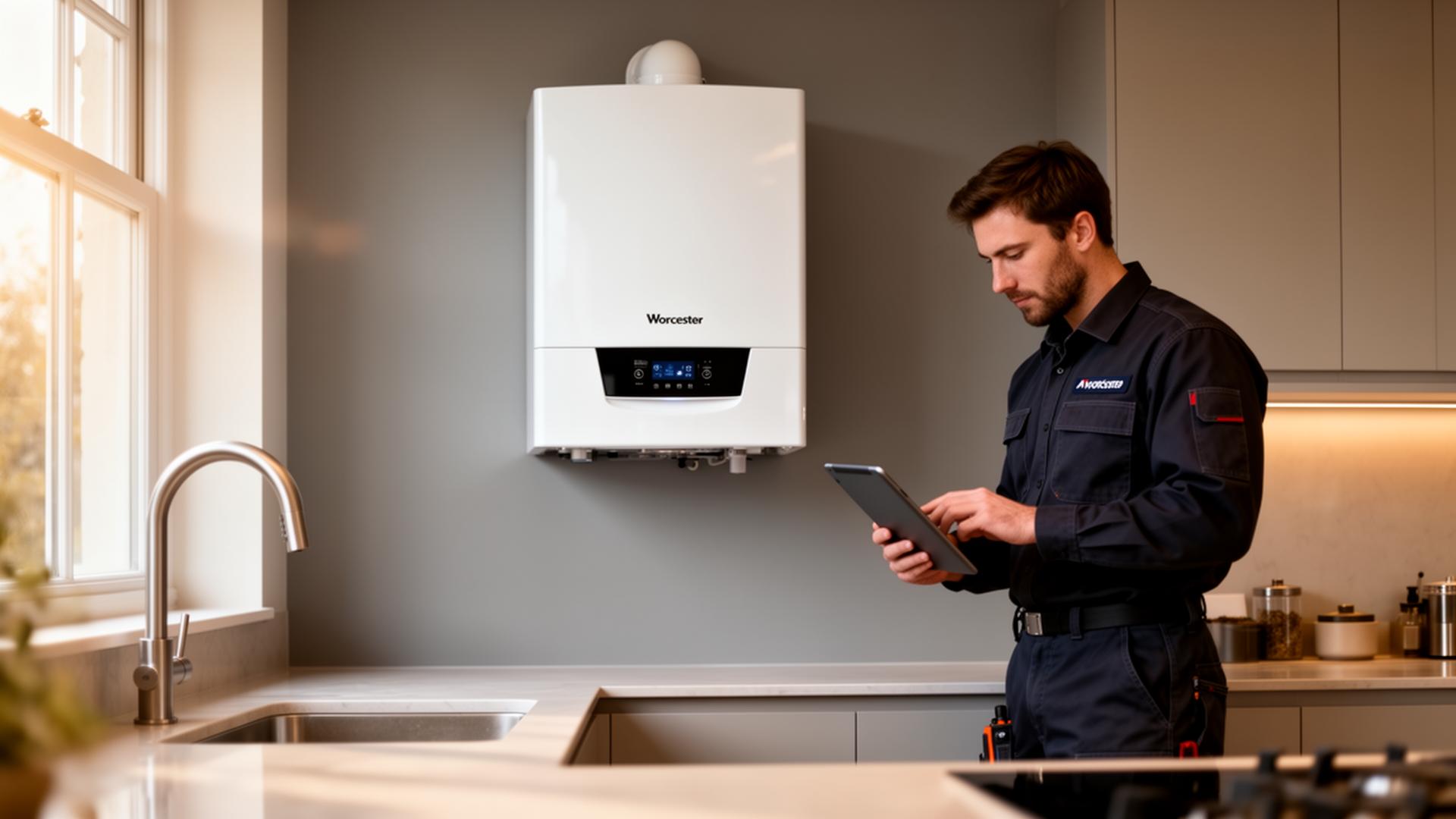
The case for pumping
Top-floor bathrooms or loft conversions with very little height between tank and outlet genuinely need a pump to give a comfortable shower.
Which wins when
Measure the actual height difference and resulting pressure before deciding. A ground-floor bathroom under a high loft tank may never need pumping; an ensuite next to the tank almost always will.
What we verify before changing how hot water is driven
- Height between the loft tank and the affected outlet
- Whether the pump needs to draw from both hot and cold gravity feeds
- Electrical supply availability near the airing cupboard
Who does the work
- Gas Safe registered engineers — registration 554328
- Worcester Bosch accredited installer
- John The Plumb Ltd, company registration 10026483
Get your gravity hot water assessed
Tell us where your tank sits relative to the affected bathroom and we'll say whether pumping would genuinely help.
Questions we get asked
Will a pump fix all gravity pressure problems?
It significantly improves flow where height is the limiting factor, though it can't fix an undersized cylinder coil or a restricted pipe run.
Do pumps need regular maintenance?
They benefit from checking at annual service, as bearings and non-return valves are the usual wear points.
Is pumping cheaper than converting to unvented?
It's generally a smaller job than a full unvented conversion, though which is the better long-term answer depends on the whole system, not just cost.