
Heating Slow to Warm Up
Rooms eventually get warm, but it takes far longer than it used to..
Rooms eventually get warm, but it takes far longer than it used to.
What is actually going on
Rooms eventually get warm, but it takes far longer than it used to.
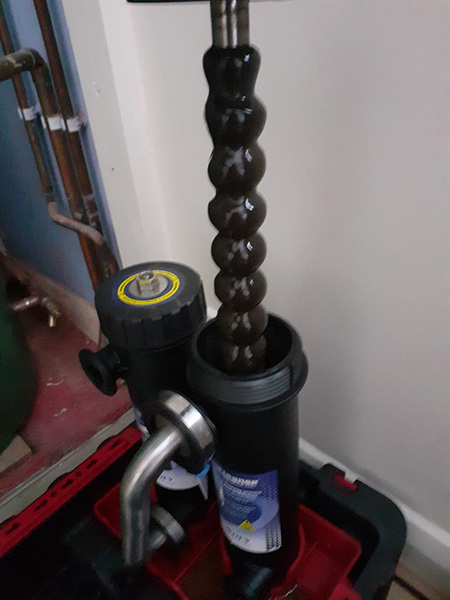
The realistic causes, in order
Gradual sludge accumulation reducing radiator output across the system A pump running at too low a speed for the circuit Flow temperature reduced at some point and never restored, or a weather compensation curve set too flat
What we test on site
Radiator surface temperature mapping across the property Pump speed and flow rate against the system's design Boiler flow temperature and compensation settings
What you can safely look at with heating that takes hours to warm up
- Note how long it takes a cold house to reach temperature and compare with last winter
- Feel for cool bottom sections on radiators
- Lower flow temperatures improve condensing efficiency but only work if the radiators are sized for them. Turning it down without checking output is why some houses feel colder.
Who does the work
- Gas Safe registered engineers — registration 554328
- Worcester Bosch accredited installer
- John The Plumb Ltd, company registration 10026483
Get heating that takes hours to warm up diagnosed properly
A clean, correct pump setting and a properly set flow temperature usually restores warm-up time and lowers gas use.
Questions we get asked
What causes heating that takes hours to warm up on a gas boiler?
Gradual sludge accumulation reducing radiator output across the system
What normally puts heating that takes hours to warm up right?
A clean, correct pump setting and a properly set flow temperature usually restores warm-up time and lowers gas use.
Is it safe to keep using the system with heating that takes hours to warm up?
Lower flow temperatures improve condensing efficiency but only work if the radiators are sized for them. Turning it down without checking output is why some houses feel colder.