
The factors, from biggest effect to smallest
| Factor | Why it matters | How to keep it in check |
|---|---|---|
| Layout changes | New positions mean new supply and waste runs, often under floors | Keep the toilet where the soil pipe is |
| Shower type | A walk-in or wet room needs a tray former or tanking and a fall to the waste | A tray and enclosure is simpler than a level-access floor |
| Tiling area | Full-height tiling takes far longer than splashbacks | Tile the wet zones fully, paint the rest |
| Suite and brassware | Wide range in price and in fitting time | Choose the look, then compare mid-range options |
| Condition behind the walls | Rotten boards, old lead or poor waste falls show up on strip-out | Budget a contingency |
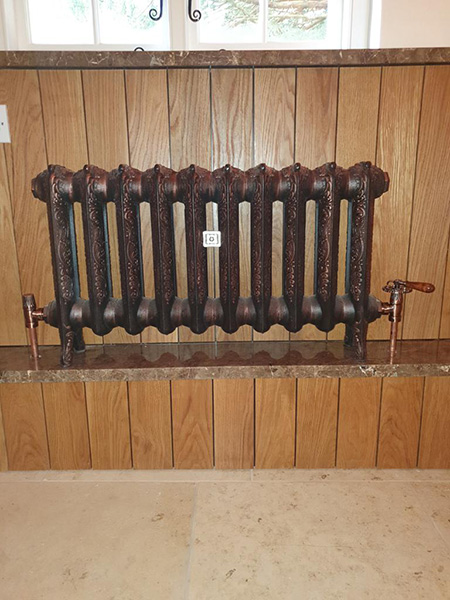
| Heating | Moving a radiator or fitting a towel rail adds pipework | Swap like-for-like in the same position |
| Electrics and extraction | Lighting and fans need a qualified electrician | Plan them early so walls are only opened once |
Why strip-out surprises happen
Until the old suite and tiles are off, nobody can see the floor under the bath or the pipework in the walls. Slow leaks from a tired bath waste often rot the boards beneath, and older houses sometimes have waste pipes laid without enough fall. Neither is visible at survey.
A fair quote says what is included, what assumptions have been made about the hidden parts, and how anything unexpected will be priced. That is more useful to you than a low headline figure that grows later.
How to get a quote you can compare
- 1
Decide the layout first
Mark where each item goes. Changes after the quote are what push prices up.
- 2
List the fittings
Suite, shower, taps, tiles and heating. Say whether you are supplying any of them.
- 3
Ask what is included
Removal and disposal, making good, tiling, silicone, electrics and decoration are often treated differently.
- 4
Ask about contingency
How hidden problems will be handled and priced if they appear.
Ways to spend less without cutting corners
- Keep existing positions for the toilet and basin.
- Choose a shower tray and enclosure rather than a fully tanked wet room.
- Tile only the wet areas and use moisture-resistant paint elsewhere.
- Reuse the existing radiator position for a towel rail.
- Do not skimp on waterproofing, valves or waste — those are the parts that cause ceiling leaks later.
Sketch the room with the toilet, basin and bath or shower where they are now. Every item you leave in place is money kept for the parts of the bathroom you actually see.