
Replacing a Back Boiler Behind a Fire
Back boilers sit in the chimney breast behind a gas fire and were fitted in enormous numbers up to the 1990s.
Back boilers sit in the chimney breast behind a gas fire and were fitted in enormous numbers up to the 1990s. Replacing one is more building work than a straight boiler swap, because the appliance has to come out of the fireplace and the chimney has to be dealt with.
What removal involves
Disconnecting and removing the fire and boiler, safely making off the gas, and either lining or sealing the chimney with proper ventilation to the void.
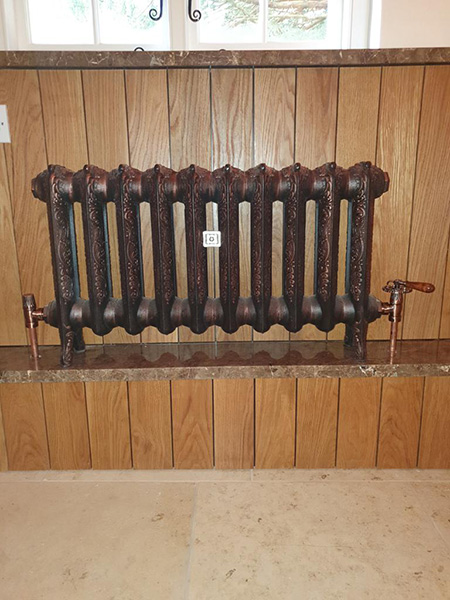
Where the new boiler goes
Rarely in the same place. Kitchens, utilities and airing cupboards are the usual homes, which means new gas, flue and condensate routes.
What happens to the old system
Back boiler systems are open-vented and often gravity hot water. Expect a full flush and, in most cases, conversion to a sealed pumped system.
Things to plan before the day
- Where the new appliance and flue will run
- Whether the fireplace is being made good or reinstated
- Access and dust protection through the living room
Who does the work
- Gas Safe registered engineers — registration 554328
- Worcester Bosch accredited installer
- John The Plumb Ltd, company registration 10026483
Get a back boiler replacement plan
Send a photo of the fire and the room and we will explain what the removal and the new location would realistically involve.
Questions we get asked
Do back boilers have to be removed?
There is no blanket ban, but parts are increasingly hard to obtain and any unsafe appliance must be taken out of use.
Can the fireplace be left open?
The void needs controlled ventilation once the appliance goes, however you finish the opening. We agree that detail before starting.
Is this a one-day job?
Usually longer than a standard swap because of the removal, the chimney work and the new pipe routes.