
Weather Compensation Control
Weather compensation adds an outside sensor and varies the boiler's flow temperature with the weather.
Weather compensation adds an outside sensor and varies the boiler's flow temperature with the weather. On a mild day the system runs cooler, which is exactly the condition in which a condensing boiler is at its most efficient.
The heating curve
The relationship between outside temperature and flow temperature. Setting it too steep wastes the benefit; too shallow and the house never quite catches up on cold days.
Why it beats fixed flow temperatures
Most boilers are left at a factory flow temperature that suits the coldest week of the year and is far too hot for the other fifty-one.
What it needs
A boiler that supports it, a north-facing sensor position away from direct sun and heat sources, and a proper commissioning session.
Good candidates for compensation
- Boilers with generously sized radiators
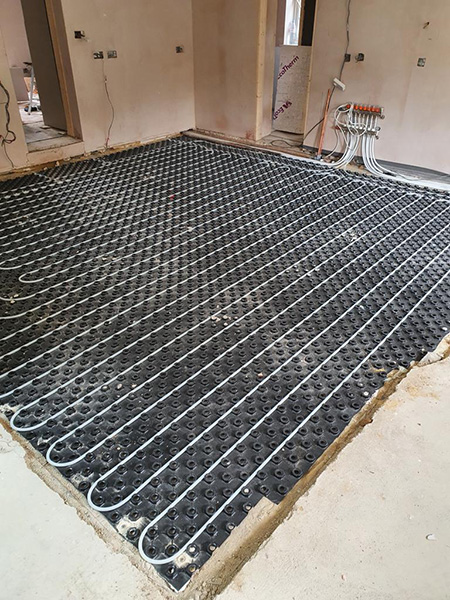
- Homes running underfloor or mixed emitters
- Anyone whose boiler short-cycles on mild days
Who does the work
- Gas Safe registered engineers — registration 554328
- Worcester Bosch accredited installer
- John The Plumb Ltd, company registration 10026483
Set up weather compensation properly
If your boiler supports it and it has never been enabled, that is a free efficiency gain sitting unused. Ask us to look.
Questions we get asked
Does compensation work with TRVs?
Yes, though heavily throttled TRVs fight it. Balancing matters more once compensation is running.
Is an outside sensor always required?
For true weather compensation, yes. Load compensation achieves something similar using indoor demand instead.
Will my radiators feel cooler?
Often yes, and that is intentional — they run longer at a lower temperature rather than blasting and stopping.